

Written by Eric D. Anderson1, John H. Dilles2, and Kyle Eastman3
- 1US Geological Survey, Denver, Colorado
- 2Department of Geosciences, Oregon State University, Corvallis, Oregon
- 3Montana Bureau of Mines and Geology, Butte, Montana
Butte Porphyry Systems
Leaders: Eric Anderson, Joe Clevenger, John Dilles, Kyle Eastman, Chris Gammons, Karen Lund, Mark Reed, and Kaleb Scarberry
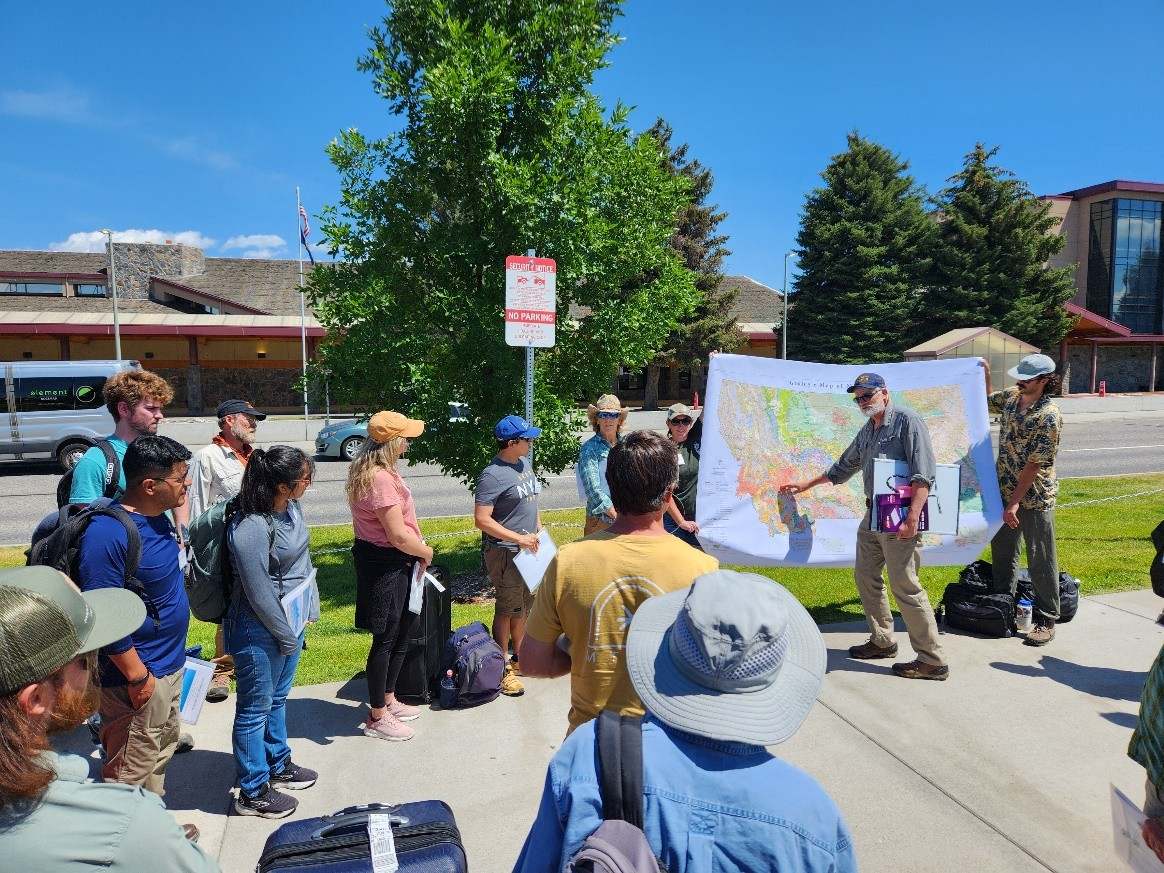
The 18th SGA Biennial Meeting in Golden, Colorado, featured a range of pre- and post-meeting field trips that explored the geology and mineral deposits of some of the most spectacular locations in the western United States. One such trip, the Butte Porphyry Systems, gave participants the opportunity to examine the renowned ore deposits of the Butte district in Montana, along with nearby historical mining districts associated primarily with Cretaceous magmatism of the Boulder Batholith. Field trip leaders brought diverse expertise, offering a well-rounded educational experience. Specialists in economic geology (John Dilles, Kyle Eastman, Mark Reed, Chris Gammons), regional geology (Karen Lund, Kaleb Scarberry), and geophysics (Eric Anderson) provided valuable insights from multiple disciplinary perspectives.
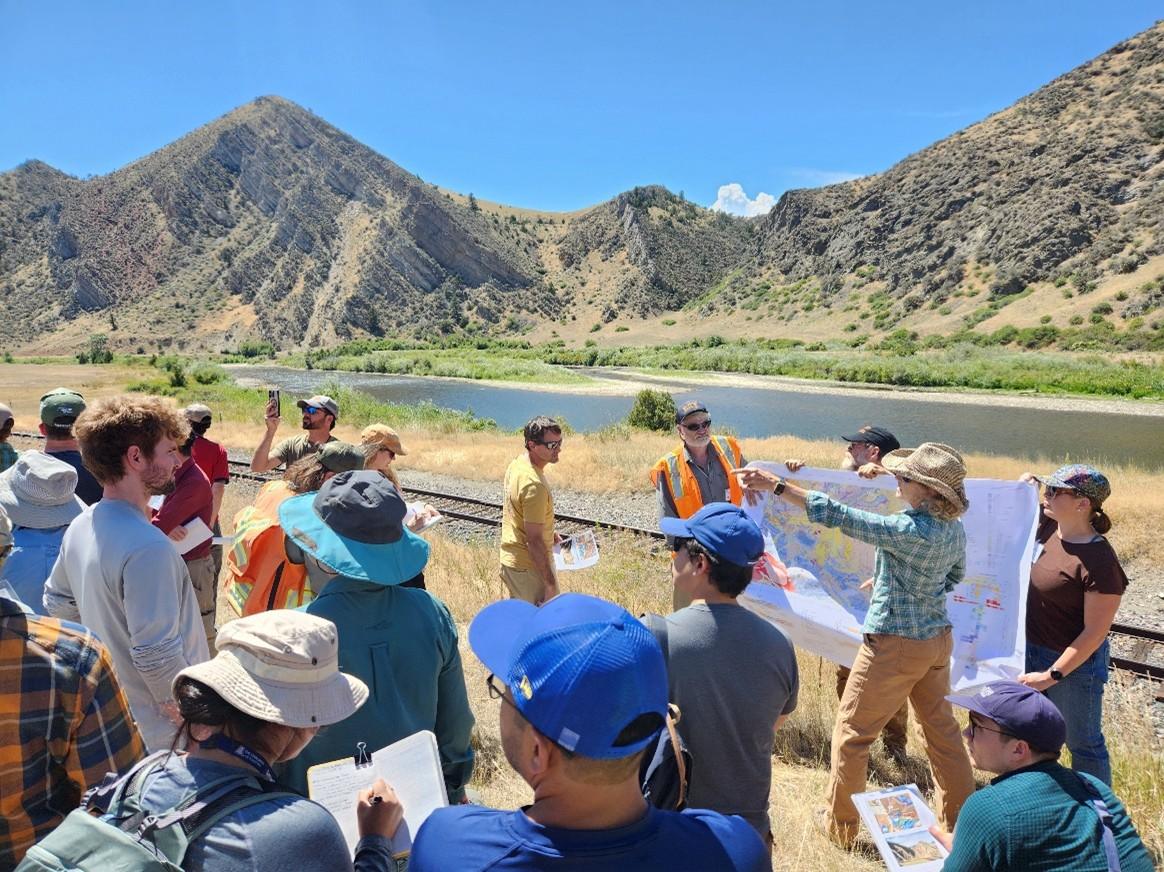
The field trip began at the Bozeman Airport, where participants received a brief introduction to the geology of southwest Montana (Fig. 1) before setting off on a scenic drive to Butte, observing regional geology along the way. Highlights included exposures of folded and faulted rocks within the Sevier fold-and-thrust belt (Fig. 2), a view of the Golden Sunlight Mine—Montana’s largest historical gold producer with 3.6 million ounces—and the contact of the Butte granite, which hosts the ore deposits of the Butte district. The first day concluded at the Mineral Museum at Montana Tech, where participants enjoyed a catered dinner and a lecture on the ore deposits of Butte.
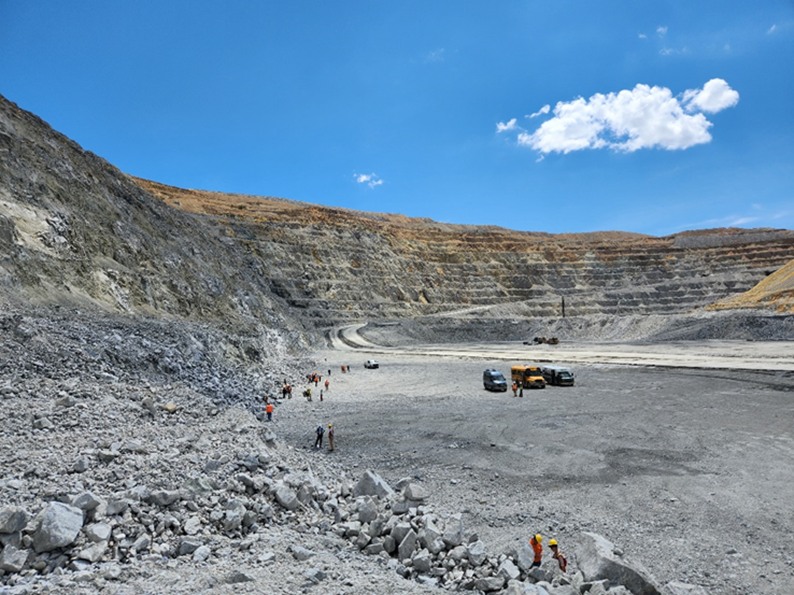
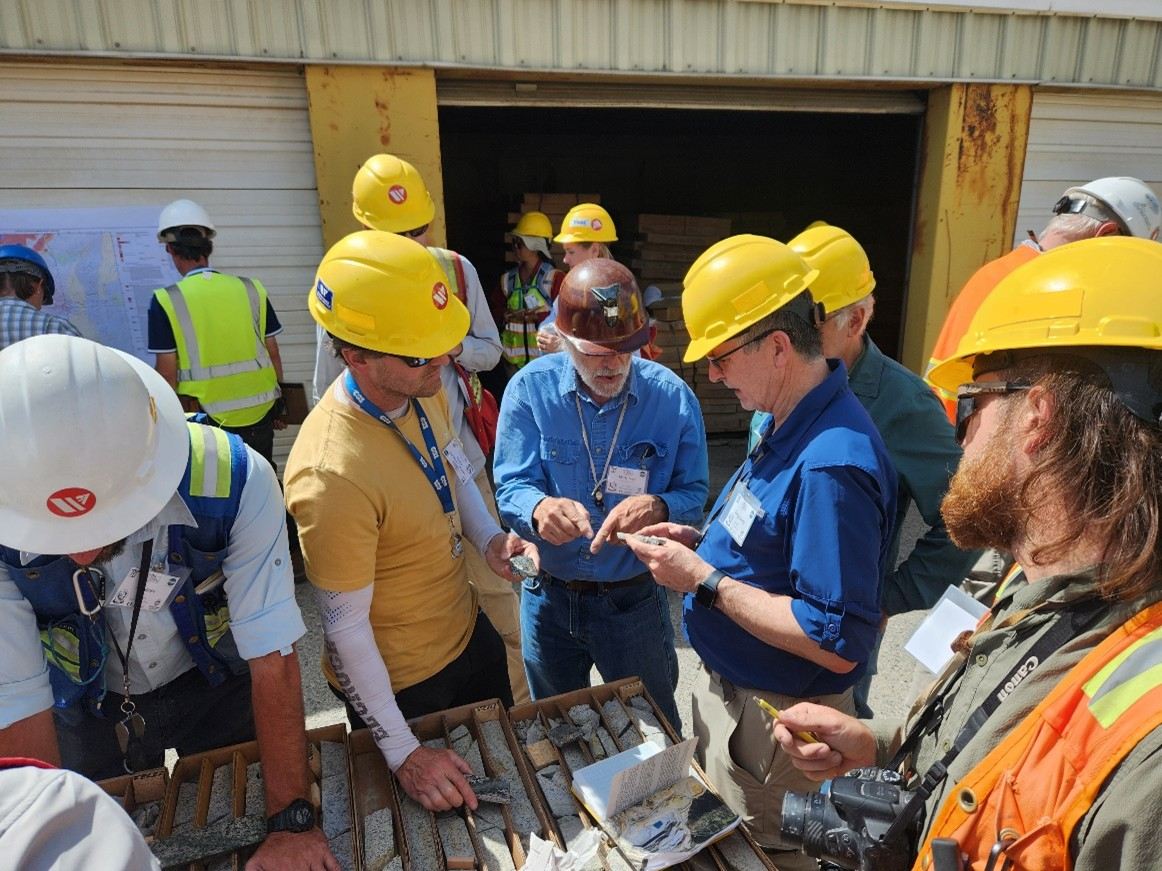
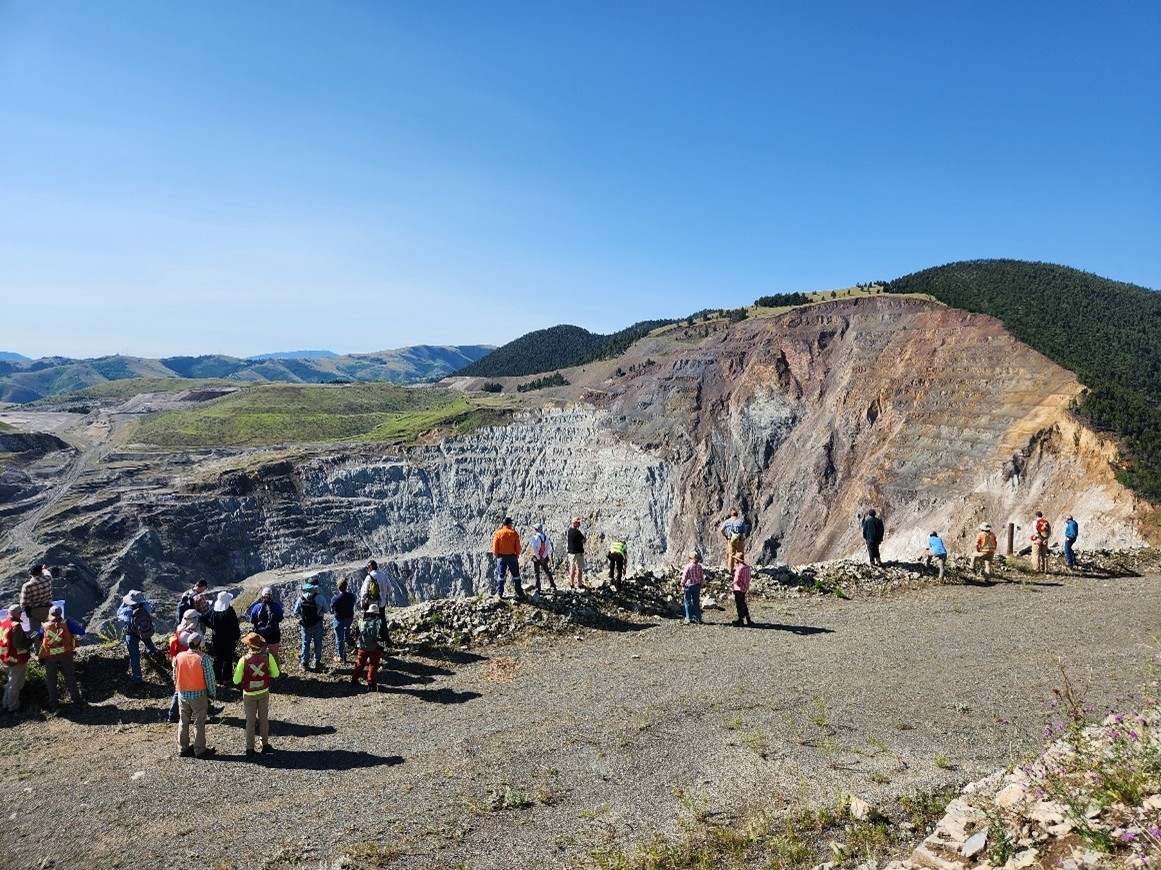
Day 2 focused on the porphyry deposits of the Butte district, particularly the Pittsmont Dome, which is currently being mined in the Continental Pit. Montana Resources provided an exceptional tour of the Continental Pit, allowing participants to examine oxidized, supergene, and hypogene ores in situ (Fig. 3). In addition, historical drill core from Anaconda’s 1978–1983 deep drilling project was reviewed, offering valuable insights into the subsurface geology (Fig. 4). The day concluded with lively discussion over pizza and beers at the Butte Brewing Company, located near the southwestern edge of the Berkeley Pit.
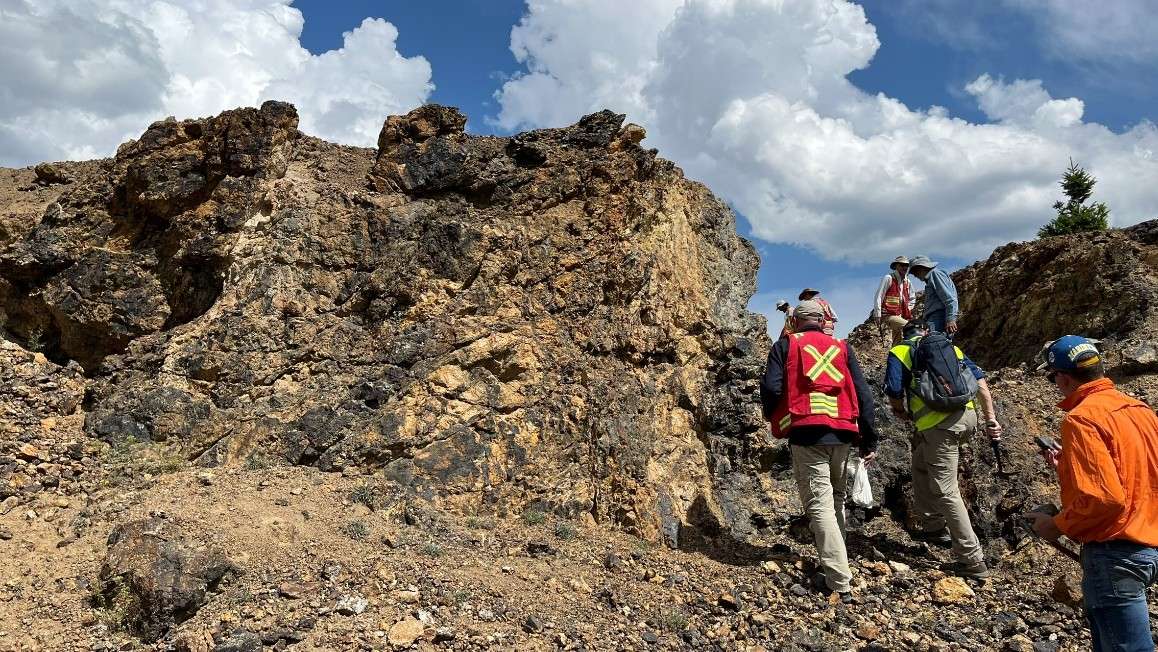
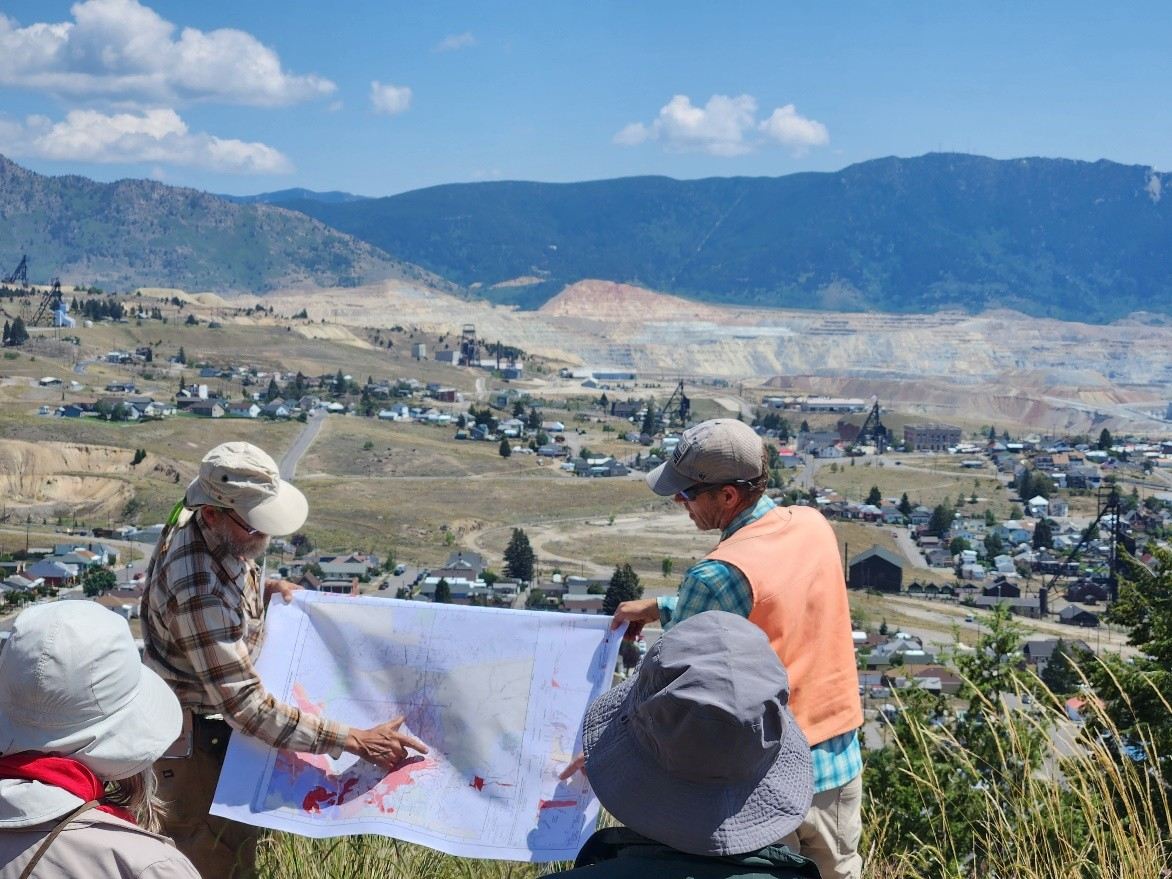
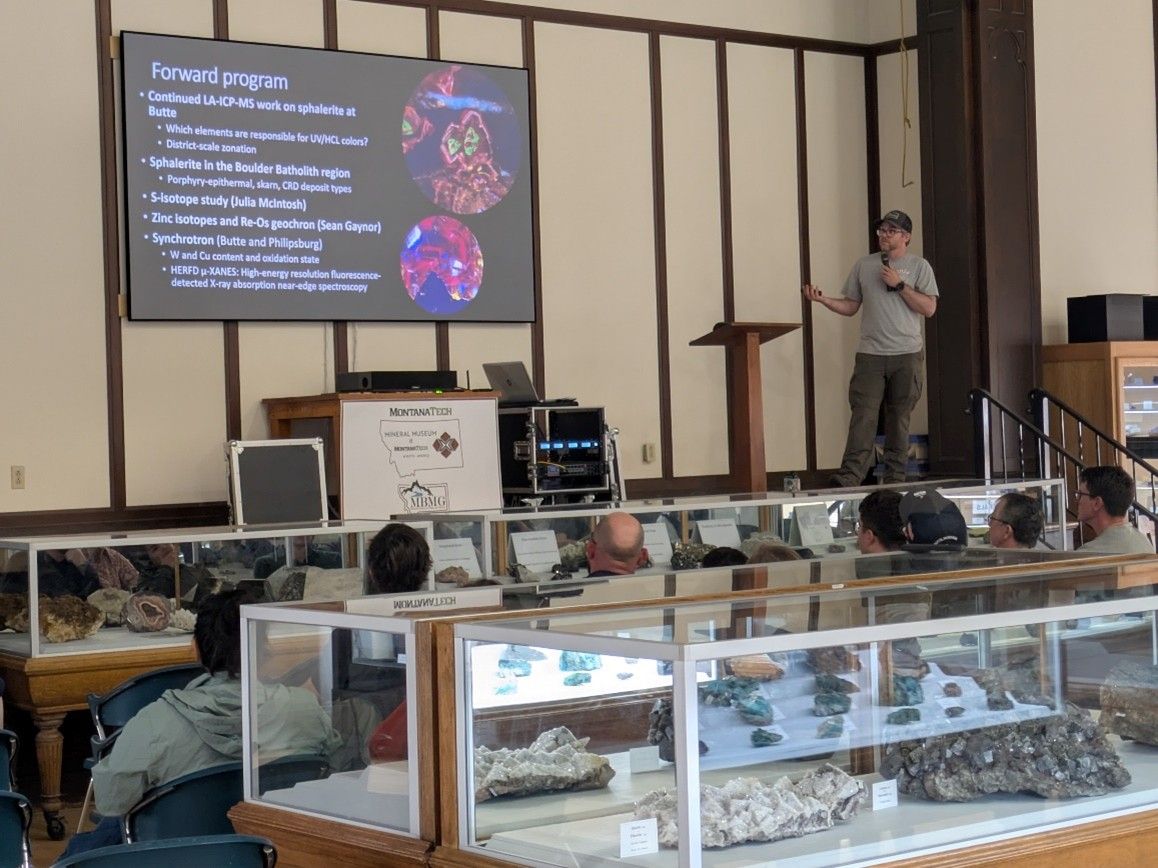
The third day of the field trip centered on the Main Stage veins of the Butte district. This zoned polymetallic vein system (Cu-Zn-Pb-Mn-Ag-As) produced approximately 10 million tonnes of copper metal and was one of the earliest and largest mining operations in the United States, active from 1883 to 1914. The day began underground, examining manganese-rich ores in the Orphan Girl and Orphan Boy mines. This was followed by a panoramic overview from Big Butte, where participants gained a better appreciation for the spatial extent of the Main Stage veins and associated porphyry systems (Fig. 5). Next, participants visited Silver Bow Mining’s active exploration site along the Rainbow vein, where they examined drill core and outcrop vein exposures (Fig. 6). The final stop of the day overlooked the Berkeley Pit, providing a dramatic backdrop for discussions on the environmental impacts of mining in the district. The day concluded at the Mineral Museum with a catered dinner and a series of lectures covering critical mineral zoning in Butte sphalerite, Mesozoic magmatism in Montana, and Earth MRI geophysical surveys of the Boulder Batholith (Fig. 7).
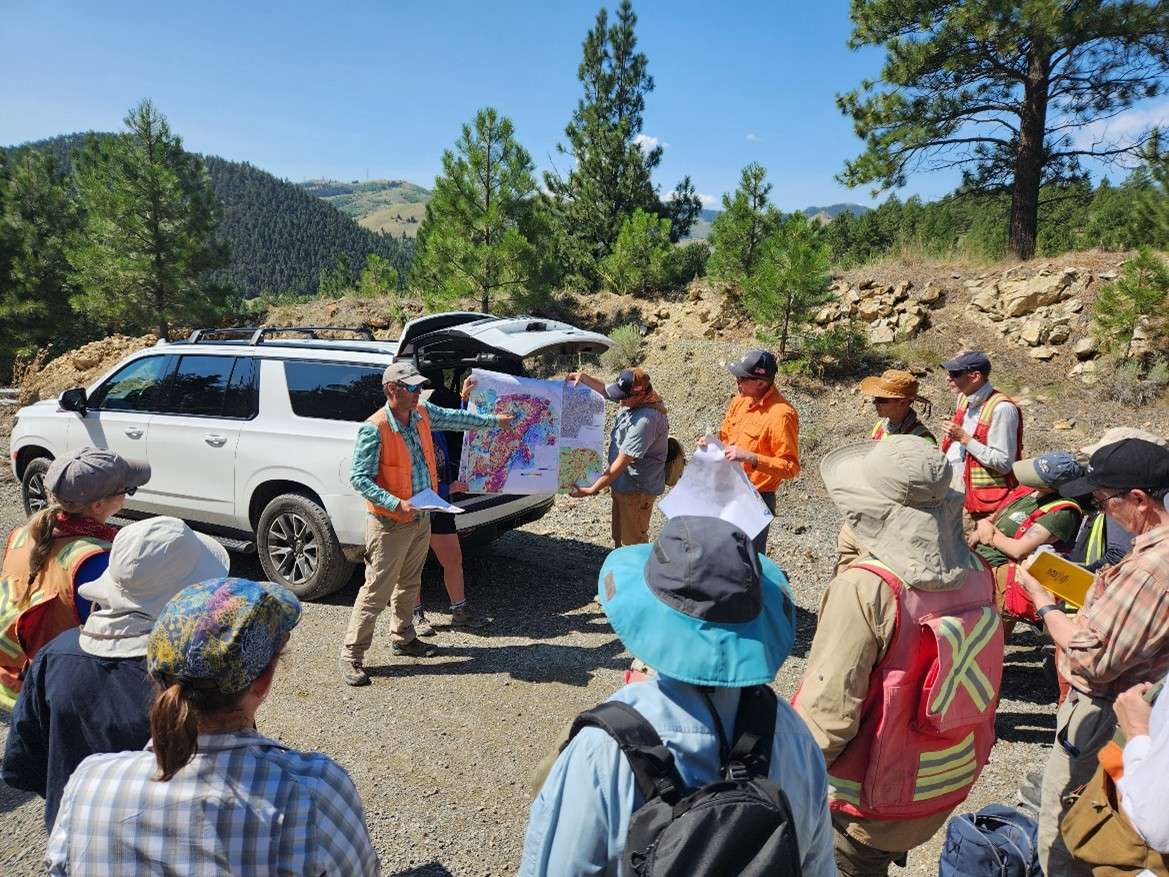
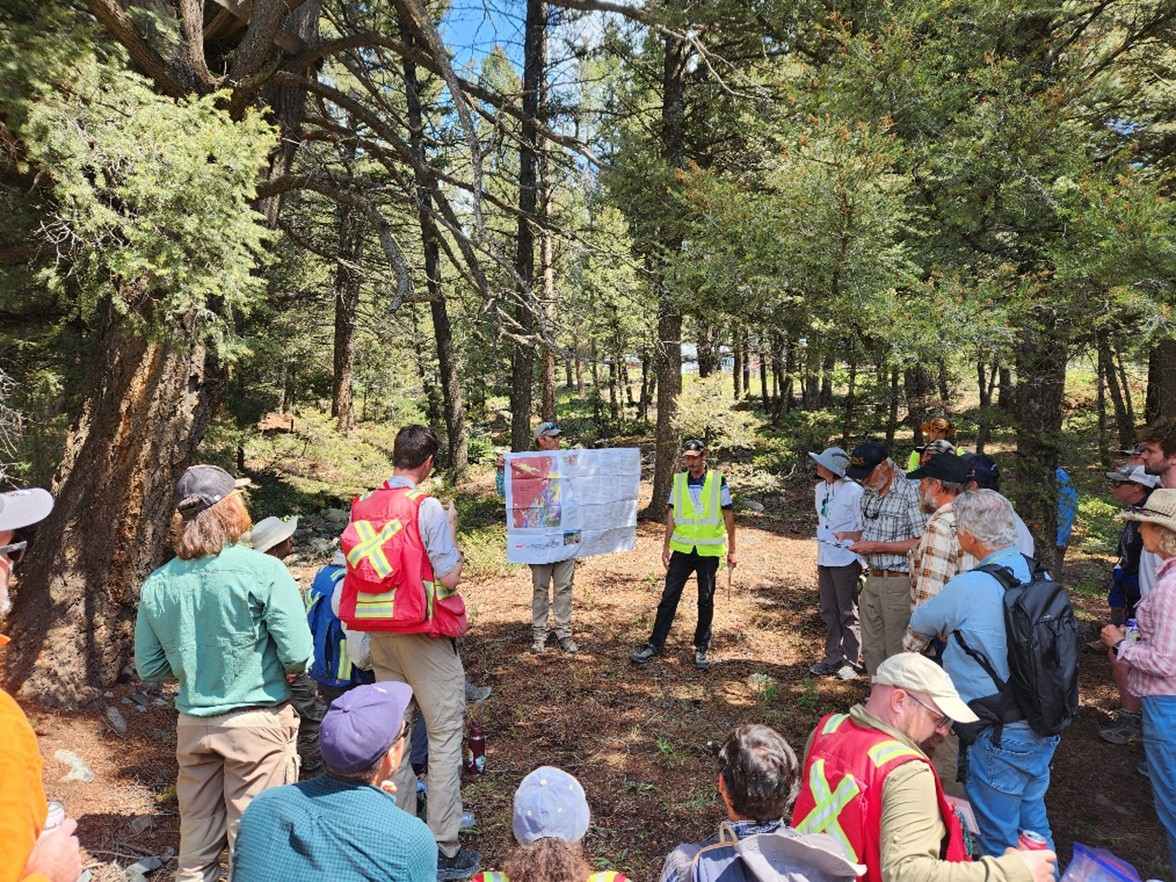
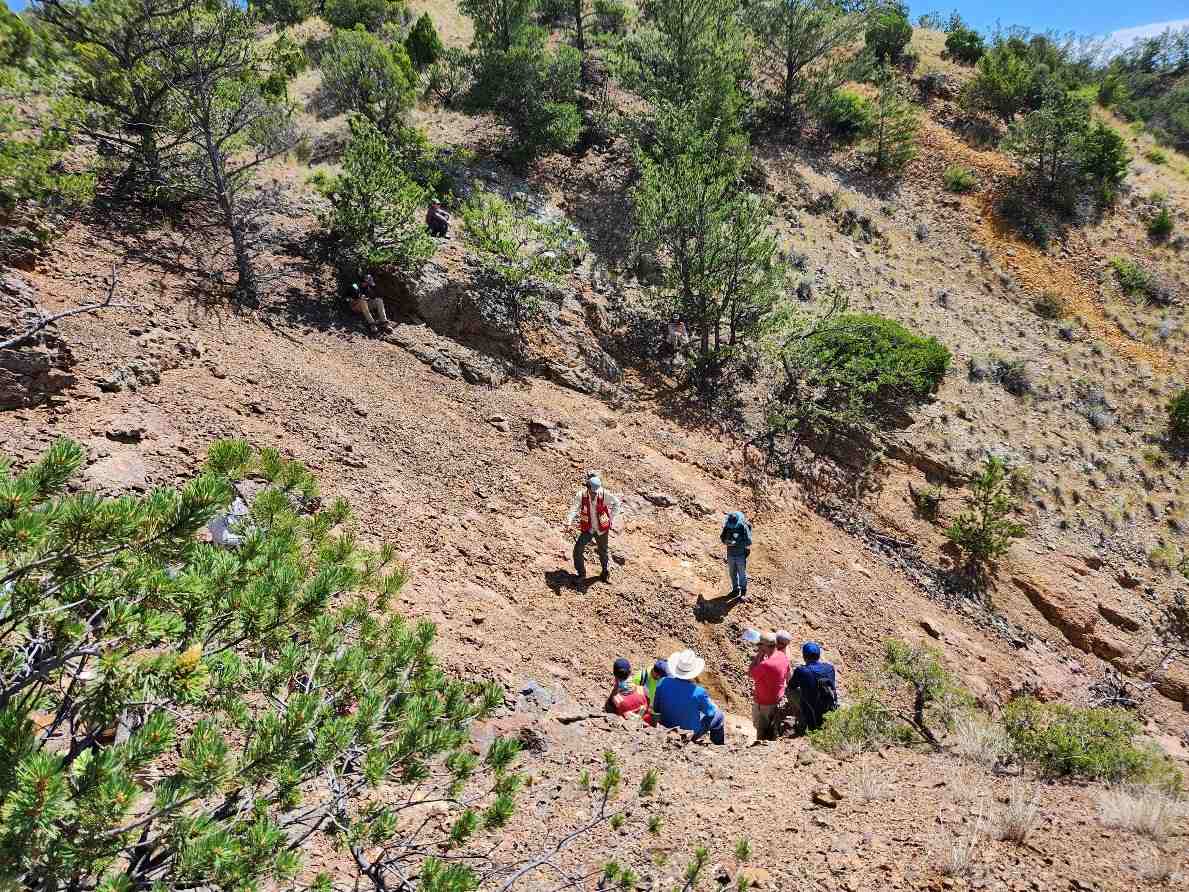
The fourth day of the field trip ventured beyond the Butte district to examine other mineral deposits associated with the Boulder Batholith. The day began at the Montana Tunnels open-pit mine (Fig. 8), where ore production started in 1987. By 1992, the mine had produced 4.15 million tonnes of ore with a head grade of 0.62 g/t Au, 15 g/t Ag, 0.61% Zn, and 0.22% Pb. Next, participants examined a roadcut exposing porphyry stockwork veins, followed by a discussion on how geophysical data are being used to image hydrothermal alteration in the region (Fig. 9). The afternoon was spent in the historic Elkhorn mining district, which hosts a variety of deposit types including carbonate replacement, skarn, magmatic-hydrothermal breccia, and low-grade porphyry Mo-Cu systems (Fig. 10). The day concluded with barbecue and beers on the patio of Sparky’s Garage in downtown Butte, providing a relaxed setting for continued discussion and reflection.
The final day of the field trip explored porphyry copper systems in the Elkhorn Mountains, located along the eastern extent of the Boulder Batholith. In the Radersburg district, PhD candidate Joe Clevenger presented an update on using geochemistry and airborne radiometric data to map highly altered rocks in the area (Fig. 11). Discussions also focused on the petrogenesis of intrusive rocks with limited surface exposure, which are inferred from airborne magnetic data to underlie the gravel-covered valley. These rocks were drilled by Exxon Minerals in the late 1970s and exhibit biotite and K-feldspar alteration along with stockwork veining. In the afternoon, the group visited the Diamond Hill porphyry stock, which hosts low-grade porphyry copper veins, as well as a nearby Au-Ag skarn deposit at the Diamond Hill Mine (Fig. 12). The field trip concluded with leisurely drive back to Bozeman.
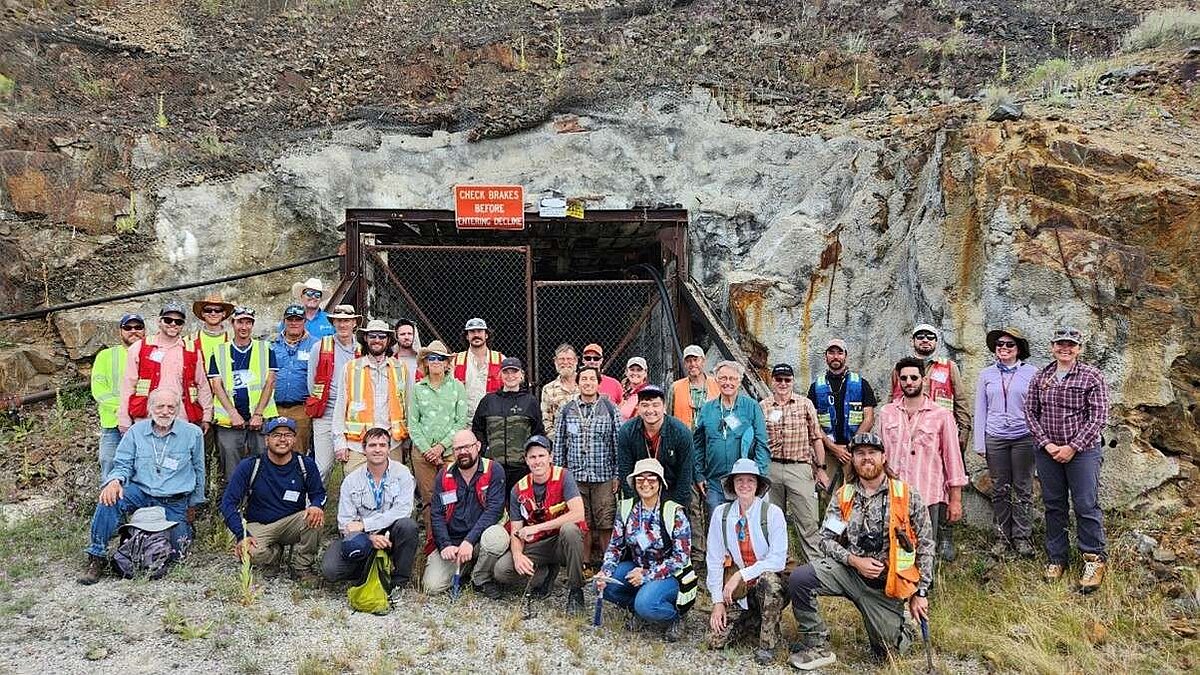
We’d like to extend our sincere thanks to the many individuals who helped make this a successful field trip. Steve Quane generously provided access to the beautifully curated Mineral Museum at Montana Tech. Amanda Griffith and the team at Montana Resources offered an outstanding tour of the Continental Pit. Phil Nickerson and the exploration crew at Silver Bow Mining shared valuable insights and access to their active Rainbow vein project. Jim Lloyd and Chris Frank at Eastern Resources facilitated access to the Montana Tunnels and Elkhorn districts. We also thank the Boulder Batholith crew from the USGS and MBMG for their logistical support throughout the trip.
Lastly, we are grateful to all the field trip participants, whose lively discussions and enthusiasm made for an engaging and memorable experience.